


Year 5

Welcome to Year 5!
On this page, we will share important dates and information for reference throughout the year, as well as celebrating the fantastic learning happening in Year 5.
Year 5 Staff Team:
Mrs Bennett (5S & 5R Teacher)
Miss Roe (5R Class Teacher)
Miss Sharrock (5S Class Teacher)
Mrs Nicholls (Year 5 Teaching Assistant)
Important Information
Homework: Set on a Wednesday and handed in on a Monday. Homework will alternate between CGP Grammar book (pages will be recorded) and maths.co.uk (login is in diary). Spellings will be set on a Monday and tested the following Monday. Children must log into EdShed using their username and password to rehearse these. Children are also expected to access TTRockstars weekly.
PE days: Tuesday and Friday
Brass:
5R: Every Tuesday September -> February
5S: Every Tuesday February -> July
Summer

The Summer term brought with it the much‑anticipated class text, Harry Potter and the Philosopher's Stone, and of course the exciting visit to Warner Bros. Studios in London. There, we walked in the footsteps of Harry Potter and explored the wonders of the wizarding world. It was time to dust off our wands and iron our cloaks, ready to hop aboard the Hogwarts Express and step into the magical realm of wizards and Muggles.
During this unit, the children developed their descriptive writing skills by crafting a howler with their chosen sender and receiver, a tension narrative and an audio guide of the Harry Potter Studios.
In History, the children gained chronologically secure knowledge of world history by exploring the ancient Maya civilisation and comparing it to that of the ancient Egyptians. Links to Maya history were also made in Computing, where the children explored vector drawings. After developing key skills such as layering, grouping and rotating, they applied their learning to design their own Maya headdresses. The Maya often used jade and other materials to incorporate animal features into their designs. To complete the look, vibrant feathers were added, symbols of prestige in Maya society. These colourful feathers were so highly valued that commoners were forbidden from wearing them in public. Before we begin our orienteering in Summer 2, we will conclude our Mayan Unit with a visit from Maya archaeologist Dr. Diane, who enriched the children’s understanding with her fascinating artefacts and in-depth knowledge of this remarkable civilisation.
Spring

Spring 1 will see the continuation of Cosmic and our 'The Americas' geography unit! For 5R, this is their final half-term of brass with Mr Walker. 5S, warm those lungs up!
Time really is flying by as we embark on the second half of the spring term! Pupils in Year 5 will be introduced to their new Ancient Egyptian unit. Within this unit of work, pupils will learn about the process of mummification, the hierarchy of the Ancient Egyptian civilisation and particularly, how vast this period of time was in comparison with other history units studied.
Autumn 2
Term 1 out of 3 is completed already! Where is this academic year going? Having read the thrilling end to Cogheart and concluding our Victorians topic, Year 5 have moved on to our new writing unit which also means we have a NEW class text - Cosmic by Frank Cottrell Boyce. Having read the opening chapters, Year 5 have put their reading and writing skills to the test, informing the public of a mysterious rocket launch in Northern China by writing a newspaper report. We investigated different newspaper styles and their audience and purpose before identifying the features of an effective news story. The use of eye-catching headlines, informative orientation paragraphs and formal descriptive language allowed every child in year 5 to write a successful newspaper article.
Our new geography unit, The Americas, has been a hit and Year 5 have loved learning about physical and human features of Mexico and the United States of America to make direct comparisons between the two North American continents. We are gradually building up our knowledge to be able to answer our enquiry question - 'How can the human and physical features of two countries, within the same continent, differ?'. So far, we have compared the climate, biomes, geographical location, culture, flags, population and landmarks. We can't wait to continue with this unit in the Spring term.
Our bedrooms will soon be sparkling with our new nightlights which we planned, designed and created during the final week of the Autumn term. Every child had a functioning circuit which met the criteria for their 3S's (something, for someone, for some purpose). In our computing unit, we used Crumble Kits to investigate how they can be used to support our night light. We programmed a microcontroller to make an LED switch on. A microcontroller is a small device that can be programmed to control components that are connected to it.
Autumn 1
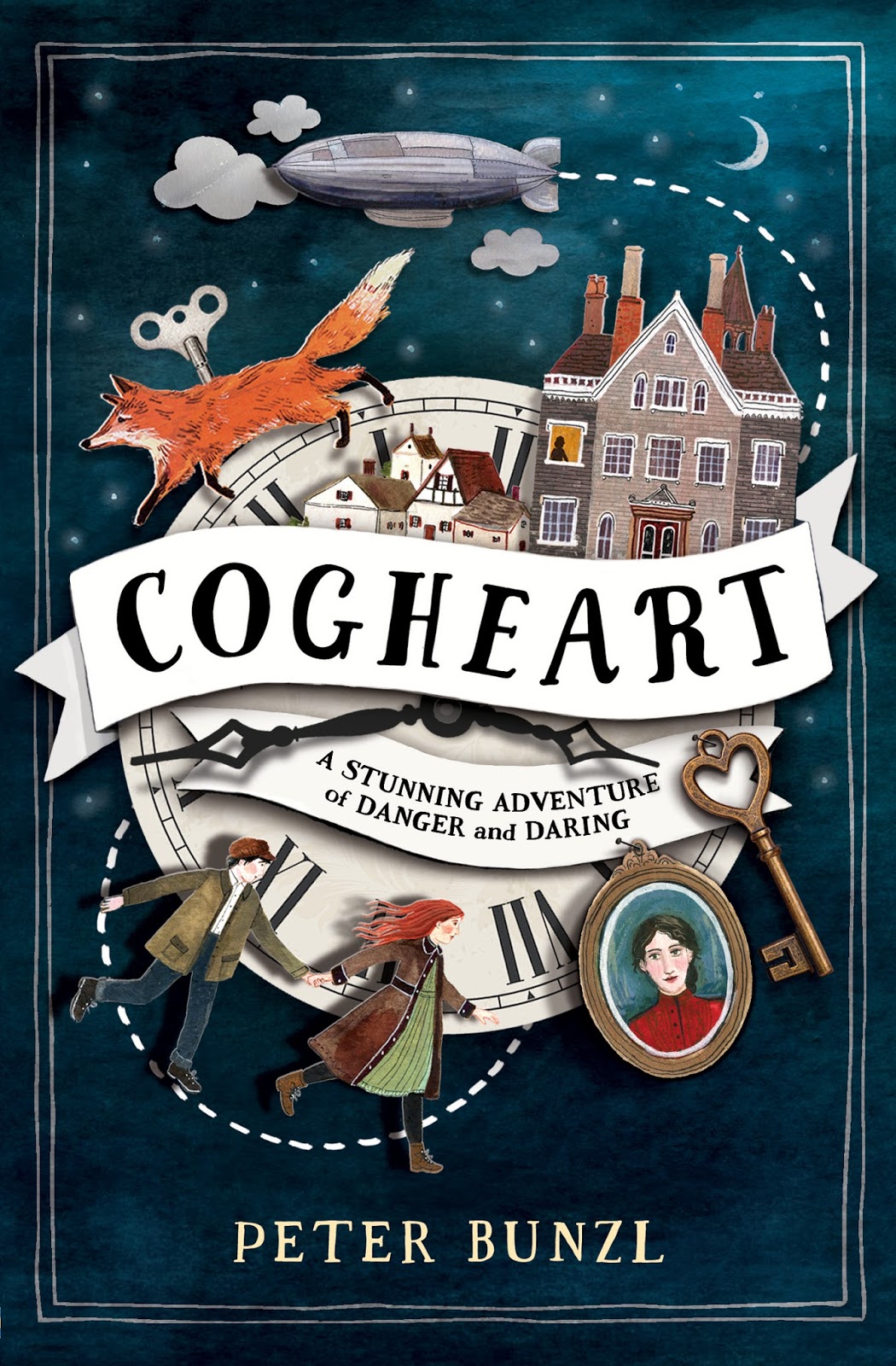 Autumn 1 saw us dive in to our new class text for the autumn term - Cogheart. A story of adventure and mystery, Peter Bunzl's Cogheart has had Year 5 on the edge of their seats. As always, our text roots itself firmly in the curriculum, linking closely with our historical unit of Victorians, Art and of course writing. Year 5 learnt what life was like in Victorian times, investigating the monarch, Queen Victoria, jobs, inventions, the industrial revolution, empires and finally - schools. The children’s writing has really flourished over the last few weeks and children particularly enjoyed writing descriptions of some of the more villainous characters.
The showstopper was definitely the explanation texts where children designed their own 'mechanimals' in Art then wrote about how they function in writing lessons. The children's final pieces of art for this unit are truly worthy of being on display.
Victorian day marked a journey back in time as children entered a Victorian classroom. The children planned and created costumes which they wore to school, giving the classroom an authentic Victorian feel. The day began with girls and boys having their hands and fingernails inspected for dirt and grime by a frighteningly strict Mrs Bennett, Miss Roe and Miss Sharrock. After the inspection, the children were seated in rows of in height order, Year 5 began learning the three Rs (Reading, wRiting and aRithmetic) by handwriting on a slate followed by an arithmetic session. When asked, children were told to stand and answer the teacher in full sentences, always using sir/ma’am. Anyone slouching or sitting with elbows on the table would be reprimanded. Later in the morning, we sang ‘All things bright and beautiful’ and learnt about the money system used in Victorian England, comparing farthings, shillings, pounds, guineas and pennies. After viewing a series of photographs of classrooms from approximately 100 years ago, we used this information to come up with comparative statements about the similarities and differences of school life. As a further comparison we discussed the life of a Victorian school child to the climbing boys we researched in computing. Many poor families resorted to workhouses, which provided basic relief like food, medical care and shelter in exchange for labour. Conditions were poor and sadly, families were often separated. Dr Thomas Barnardo was founder of homes for poor and deprived children, with the first in 1867. By the end of the day we were able to thoroughly answer our enquiry question: How did the life of a Victorian child vary between classes?